Finned tube material selection is a critical engineering decision that directly impacts heat exchange system performance. The choice of base tube and fin materials determines thermal efficiency, corrosion resistance, and overall service life.
Different operating environments demand specific material properties. High-temperature processes require thermal stability, while coastal or chemical settings necessitate strong corrosion resistance. Conversely, standard HVAC systems often prioritize thermal conductivity and cost efficiency. Balancing performance with budget is essential; while premium alloys offer superior durability, carbon steel or aluminum may provide economical solutions if environmental suitability is verified.
Proper material selection optimizes long-term operational efficiency by reducing energy consumption, preventing fouling, and extending maintenance intervals. Conversely, incorrect choices lead to premature degradation and increased lifecycle costs. Ultimately, aligning material properties with real-world conditions and industry standards ensures reliable, cost-effective, and efficient heat exchange operations.
What Are Finned Tubes and How Do They Work?
Finned tubes are essential heat exchange components designed to maximize thermal efficiency by significantly increasing the surface area available for heat transfer. Widely used in air coolers, condensers, and HVAC systems, they consist of a base tube carrying the working fluid and thin fins attached to the outer surface.
The operating principle relies on conduction and convection. Heat conducts from the internal fluid through the tube wall into the extended fins, which then dissipate the heat into the surrounding air or gas via convection. Since air has low thermal conductivity, adding fins is the most effective way to enhance heat exchange without increasing the overall equipment size.
Various finned tube designs cater to specific performance and environmental needs. Extruded finned tubes offer strong mechanical bonding for high-performance applications, while high-frequency welded tubes are common in industrial heat exchangers. Additionally, L-foot, embedded, and spiral wound fin tubes are widely utilized in medium-duty applications, air coolers, and boilers. By optimizing the contact area between fluids and surrounding media, finned tubes provide a highly efficient thermal management solution for diverse industrial and commercial applications.
Common Finned Tube Materials and Their Properties
|
Material
|
Key Properties
|
Typical Applications
|
|
Carbon Steel
|
Low cost, good mechanical strength, but weak corrosion resistance.
|
Industrial boilers, waste heat recovery, and general HVAC systems.
|
|
Stainless Steel (304/316)
|
Excellent corrosion resistance and high durability; lower thermal conductivity.
|
Chemical processing, marine systems, and high-humidity environments.
|
|
Copper & Alloys
|
Outstanding thermal conductivity and high efficiency; higher cost.
|
HVAC systems, refrigeration equipment, and high-efficiency heat exchangers.
|
|
Aluminum
|
Lightweight, cost-effective, and good heat transfer; less suitable for corrosive environments.
|
Air-cooled heat exchangers and automotive cooling systems.
|
|
Bimetallic (Steel-Aluminum)
|
Balances cost, structural strength, and thermal efficiency.
|
Industrial air coolers and large-scale energy applications.
|
Key Factors in Choosing Finned Tube Materials
|
Selection Factor
|
Key Considerations
|
|
Operating Temperature & Pressure
|
High-temperature systems require materials with strong thermal stability and mechanical strength (e.g., carbon or stainless steel).
|
|
Corrosion & Environment
|
Harsh, humid, or chemically aggressive environments demand high corrosion resistance (e.g., 316 stainless steel) or protective coatings.
|
|
Heat Transfer Efficiency
|
High thermal conductivity materials (e.g., copper, aluminum) are ideal for HVAC, while stainless steel prioritizes durability over maximum efficiency.
|
|
Cost & Lifecycle
|
Evaluate total lifecycle costs rather than just initial price; premium materials often offer lower long-term maintenance and replacement expenses.
|
|
Manufacturing Compatibility
|
Materials must bond effectively with specific fin types (e.g., high-frequency welding, extrusion) to prevent detachment and ensure performance.
|
Our Recommended Finned Tube Products and Global Shipping Services
We provide premium finned tubes in carbon steel, stainless steel, aluminum, copper, and bimetallic designs, tailored for industrial and HVAC applications. All products undergo rigorous quality control, including bonding strength, pressure, and dimensional testing, with third-party inspections and Mill Test Certificates available.
To ensure safe transit, we utilize export-standard packaging, including anti-corrosion coatings, moisture-proof wrapping, and wooden crates. Additionally, we offer comprehensive global shipping services, including FCL/LCL, bulk delivery, and complete export documentation support. Our flexible logistics solutions guarantee timely, cost-efficient delivery for international EPC and engineering projects. Choose us for reliable, high-quality finned tubes and dependable worldwide supply chain support.
Common Mistakes When Selecting Finned Tube Materials
Selecting the right carbon finned tube material is critical for heat exchanger performance, but common mistakes can lead to reduced efficiency and higher costs.
First, avoid choosing materials based solely on initial purchase price. Cheaper options may fail prematurely in harsh environments, leading to expensive replacements. Instead, always evaluate the total lifecycle cost, which accounts for long-term maintenance and durability.
Second, do not ignore operating environment conditions. Factors like humidity, salinity, and chemical exposure directly impact material lifespan; for example, carbon steel is unsuitable for coastal or chemical plants.
Third, do not misjudge heat transfer requirements. Prioritizing durability over thermal conductivity can result in inefficient systems, as materials like stainless steel conduct heat less efficiently than copper or aluminum.
Fourth, ensure fin and tube material compatibility. Incompatible combinations can cause weak adhesion or fin detachment, compromising mechanical stability.
Finally, always adhere to industry standards and project specifications. Non-compliant materials can cause safety risks and performance issues. A balanced, engineering-based approach ensures optimal efficiency and reliable operation.
Conclusion
Finned tubes are vital for heat exchange efficiency, but their performance heavily depends on proper material selection. Materials like carbon steel, stainless steel, copper, aluminum, and bimetallic combinations offer distinct balances of thermal conductivity, corrosion resistance, and cost.
Successful selection requires a balanced engineering approach that evaluates operating temperature, pressure, environmental exposure, and total lifecycle costs. Avoiding common mistakes—such as prioritizing initial price over durability or ignoring environmental conditions—prevents premature system failure and high maintenance expenses.
Ultimately, aligning the right material with specific project requirements ensures optimal heat transfer, extended service life, and reliable operation. By making informed, engineering-based decisions, businesses can maximize system efficiency and achieve lower total lifecycle costs.
FAQ:
(1) What is the best material for finned tubes?
It depends on application: stainless steel for corrosion resistance, aluminum for heat transfer efficiency, and carbon steel for cost-sensitive projects.
(2) Why is material selection important in finned tubes?
Because it directly affects heat transfer efficiency, durability, corrosion resistance, and system lifespan.
(3) Can finned tubes be used in high-corrosion environments?
Yes, but stainless steel or bimetallic finned tubes are recommended for better durability.
(4) What industries use finned tubes the most?
HVAC, petrochemical, power generation, refrigeration, and waste heat recovery systems.
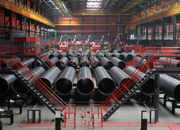 Threeway Steel is known as a professional supplier engaged in manufacturing and distributing a wide range of steel pipe, and our headquarter located the central part of China – Hunan and six associated factories throughout China.
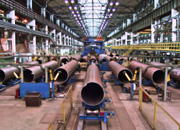 Threeway Steel is known as a professional supplier engaged in designing, manufacturing and distribution of a wide range of steel products with the headquarter located the central part of China – Hunan and six associated factories throughout China.
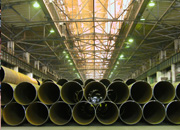 Threeway Steel is known as a professional supplier engaged in designing, manufacturing and distribution of a wide range of steel products with the headquarter located the central part of China – Hunan and six associated factories throughout China.
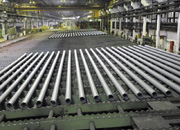 Threeway Steel is known as a professional supplier engaged in designing, manufacturing and distribution of a wide range of steel products with the headquarter located the central part of China – Hunan and six associated factories throughout China.
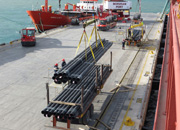 Threeway Steel is known as a professional supplier engaged in designing, manufacturing and distribution of a wide range of steel products with the headquarter located the central part of China – Hunan and six associated factories throughout China.