High-strength steel pipes are essential for modern engineering, providing the durability needed to withstand extreme pressure, temperature, and mechanical stress. Widely used in oil and gas, petrochemicals, and power generation, these pipes ensure operational safety and reliability in demanding environments.
Their performance depends on material composition, manufacturing processes (such as seamless or high-grade welded), and adherence to international standards. Selecting the right high-strength pipe is critical for preventing failures and optimizing project efficiency.
This article explores the best steel pipe types for high-strength applications, their key characteristics, and industry use cases. It also provides expert guidance on selection criteria and common mistakes, helping engineers and project planners choose reliable piping solutions for long-term durability and structural stability.
What Defines a High-Strength Steel Pipe?
A high-strength steel pipe is engineered to withstand extreme mechanical stress, internal pressure, and harsh operating conditions without permanent deformation. Its superior performance is defined by three critical factors: mechanical properties, material composition, and advanced manufacturing methods.
Mechanically, high-strength pipes feature elevated yield and tensile strengths to handle heavy loads. They also possess excellent impact and fatigue resistance, ensuring reliable performance under sudden forces or repeated stress cycles common in industrial systems.
Material composition is equally vital. While carbon content increases hardness, alloying elements like chromium, molybdenum, manganese, and nickel are added to balance ductility. These elements significantly enhance the pipe's overall strength, corrosion resistance, and high-temperature performance.
Manufacturing techniques further dictate strength. Seamless pipes are often preferred for high-pressure applications due to the absence of welded seams. Advanced welded pipes and specialized processes like hot rolling, cold drawing, and heat treatment also refine the steel's internal grain structure, maximizing density and mechanical integrity.
Ultimately, only through the precise combination of these factors can steel pipes reliably operate in demanding infrastructure and industrial environments.
Types of Steel Pipes Suitable for High-Strength Applications
For high-strength applications, selecting the right steel pipe is crucial for safety and reliability. Four main types are widely used to withstand extreme pressure, temperature, and corrosive environments:
(1) Seamless Steel Pipes: Manufactured without welded seams, these pipes offer uniform strength and excellent pressure resistance. They are ideal for high-pressure and high-temperature applications, such as oil and gas transmission, boiler systems, and hydraulic systems.
(2) Alloy Steel Pipes: Enhanced with elements like chromium, molybdenum, and nickel, these pipes provide superior resistance to heat, corrosion, and wear. Grades like P11, P22, and P91 are essential for thermal power plants and high-temperature steam systems.
(3) API Line Pipes: Engineered specifically for long-distance oil and gas transportation, high-grade API pipes (such as X60, X70, and X80) deliver exceptional strength and toughness. They are critical for cross-country pipelines and offshore energy infrastructure.
(4) High-Strength Welded Pipes: Utilizing advanced technologies like ERW and LSAW, modern welded pipes achieve strong mechanical properties. LSAW is highly suitable for large-diameter, high-pressure pipelines, while ERW offers a cost-effective solution for structural frameworks and medium-pressure systems.
Ultimately, the correct selection depends on specific project requirements, including operating pressure, environmental conditions, and safety standards, ensuring long-lasting engineering performance.
Key Factors When Selecting High-Strength Steel Pipes
|
Selection Factor
|
Key Considerations
|
|
Operating Pressure & Temperature
|
High-pressure systems require higher yield strength and thicker walls. High-temperature environments need materials that maintain structural stability, while low-temperature applications require strong impact resistance to prevent brittle fracture.
|
|
Corrosion & Environmental Conditions
|
Exposure to moisture, salts, or chemicals requires corrosion-resistant materials (e.g., alloy or stainless steel) or protective coatings (e.g., galvanization) to extend service life and reduce maintenance costs.
|
|
Compliance with Standards
|
Pipes must meet international standards (ASTM, API, ASME, EN) to ensure consistent quality in chemical composition, mechanical properties, and dimensional accuracy for critical industrial applications.
|
|
Cost vs. Performance Balance
|
Engineers must weigh initial material costs against long-term lifecycle value. Higher-grade pipes often provide better durability and reduced downtime, preventing costly failures and frequent replacements.
|
Our Recommended High-Strength Steel Pipe Products and Global Shipping Services
We supply premium high-strength steel pipes, including ASTM A106 Seamless, API 5L Line, Alloy Steel (P11, P22, P91), LSAW, and ERW pipes, along with custom high-pressure solutions. All products undergo strict quality control, including mechanical, hydrostatic, and non-destructive testing, backed by third-party inspections (SGS, BV) and Mill Test Certificates to ensure engineering-grade safety.
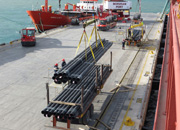
To guarantee safe transit, pipes are securely bundled, waterproofed, and packed in reinforced crates. We also provide comprehensive global shipping services, offering FCL, LCL, bulk, and project cargo transport. Our logistics team handles all export documentation and customs clearance, ensuring reliable door-to-port and port-to-port delivery to EPC projects and industrial sites worldwide. Trust us for certified products and efficient international logistics.
Common Mistakes in Selecting High-Strength Steel Pipes
|
Common Selection Mistakes
|
Key Risks & Solutions
|
|
Choosing Based Only on Price
|
Lowest-cost options often lack necessary pressure resistance and durability, leading to higher long-term maintenance and replacement expenses.
|
|
Ignoring Operating Conditions
|
Failing to match pipe specifications to actual pressure, temperature, and mechanical load requirements can cause premature system failure.
|
|
Confusing Pipe Types and Grades
|
Assuming all steel pipes perform equally is risky. Misunderstanding the differences between seamless, welded, and specific alloy grades leads to incorrect selection.
|
|
Overlooking Standards and Certification
|
Using non-certified pipes that do not comply with international standards (ASTM, API, ASME, EN) poses significant safety risks in critical systems.
|
|
Neglecting Corrosion Protection
|
Underestimating environmental factors like coastal or chemical exposure can drastically reduce service life; proper coatings or corrosion-resistant materials are essential.
|
Conclusion
High-strength steel pipes are essential for demanding engineering applications across the oil and gas, power, and construction sectors. Because no single pipe type fits all needs, selecting the right solution requires matching specific materials to operating conditions. Seamless pipes excel in high-pressure systems, alloy pipes handle extreme heat and corrosion, API line pipes optimize energy transport, and welded pipes provide cost-effective structural support.
Successful selection depends on evaluating pressure, temperature, environmental exposure, and strict compliance with international standards like ASTM and API. Additionally, buyers must consider total lifecycle costs rather than just initial prices. High-quality, certified pipes prevent premature failures and reduce long-term maintenance expenses.
FAQ:
(1) What is the strongest type of steel pipe?
Seamless alloy steel pipes and high-grade API line pipes are generally considered the strongest due to their structure and material composition.
(2) Are seamless pipes stronger than welded pipes?
Yes, seamless pipes typically offer higher strength because they have no welded seam, reducing weak points under pressure.
(3) Which steel pipe is best for high-pressure applications?
ASTM A106 seamless pipes and API 5L high-grade line pipes are commonly used for high-pressure systems.
(4) What industries use high-strength steel pipes?
Oil and gas, construction, petrochemical, power generation, mining, and heavy machinery industries.
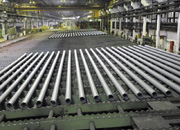
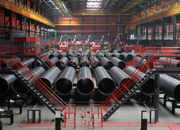 Threeway Steel is known as a professional supplier engaged in manufacturing and distributing a wide range of steel pipe, and our headquarter located the central part of China – Hunan and six associated factories throughout China.
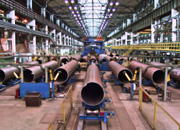 Threeway Steel is known as a professional supplier engaged in designing, manufacturing and distribution of a wide range of steel products with the headquarter located the central part of China – Hunan and six associated factories throughout China.
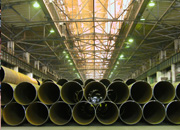 Threeway Steel is known as a professional supplier engaged in designing, manufacturing and distribution of a wide range of steel products with the headquarter located the central part of China – Hunan and six associated factories throughout China.
 Threeway Steel is known as a professional supplier engaged in designing, manufacturing and distribution of a wide range of steel products with the headquarter located the central part of China – Hunan and six associated factories throughout China.
 Threeway Steel is known as a professional supplier engaged in designing, manufacturing and distribution of a wide range of steel products with the headquarter located the central part of China – Hunan and six associated factories throughout China.