Introduction to Pipe Coating Systems
Pipe coating systems are essential for protecting industrial pipelines and ensuring long-term operational reliability in harsh environments. These systems are divided into internal and external coatings, each serving a distinct protective function. Internal pipe coatings are applied to the inner surface to reduce corrosion, prevent scaling, and improve flow efficiency. This is critical for maintaining product purity in water, oil, and gas transportation.
External pipe coatings protect the pipe’s outer surface from environmental threats like moisture, soil chemicals, and mechanical damage. Common solutions include 3PE (three-layer polyethylene) and FBE (fusion bonded epoxy), which are vital for buried and offshore pipelines. By combining both internal and external coatings, industries such as oil and gas, water supply, and chemical processing can significantly extend pipeline service life, reduce maintenance costs, and ensure overall system safety.
Internal Pipe Coating: Functions and Benefits
Internal pipe coating is a critical protective layer applied to the inner surface of steel pipes to enhance performance, extend service life, and maintain fluid quality. Since the internal surface is in constant contact with liquids or gases, it is highly vulnerable to corrosion, scaling, and flow-related wear.
A primary function of internal coating is corrosion protection. It creates a robust barrier between the pipe wall and the transported medium (such as water, oil, or chemicals), significantly reducing rust formation and preserving structural integrity. Additionally, internal coatings dramatically improve flow efficiency. By reducing surface roughness, they lower friction resistance, which optimizes hydraulic performance and reduces energy consumption in pumping systems.
These coatings also prevent scaling, sediment buildup, and contamination. In water systems, they stop mineral accumulation, while in oil and gas pipelines, they minimize the adhesion of wax or sludge, keeping the pipeline cleaner. Common coating materials include epoxy for strong chemical resistance, cement mortar for water transmission, and polyurethane for abrasion resistance. Widely used in municipal water, oil and gas, and chemical processing, internal pipe coatings ensure reliable, cost-effective, and long-term pipeline operation.
External Pipe Coating: Functions and Benefits
External pipe coating is a protective layer applied to the outer surface of steel pipes to defend against environmental and mechanical damage. Unlike internal coatings, its primary goal is to shield the pipe from external conditions such as soil corrosion, moisture, chemicals, UV exposure, and physical impact during installation.
A critical function of external coating is corrosion protection. When buried underground or installed in marine environments, steel pipes are constantly exposed to moisture, oxygen, and aggressive chemicals that cause rust and structural degradation. External coatings create a strong barrier that isolates the steel surface from these corrosive agents, significantly extending the pipeline's service life.
Another key benefit is mechanical protection. High-quality coatings help absorb and resist scratches, dents, and impacts during transportation, handling, and backfilling. They also provide essential resistance to environmental factors like UV radiation and temperature fluctuations, which is vital for above-ground or offshore installations.
Common external coating systems include 3PE (three-layer polyethylene), FBE (fusion bonded epoxy), bitumen, and zinc-rich coatings. Due to their strong adhesion and excellent durability, 3PE and FBE are widely used in oil, gas, and water transmission pipelines. In summary, external pipe coating is indispensable for ensuring safe, long-lasting, and low-maintenance pipeline performance in demanding infrastructure applications.
Internal vs External Pipe Coating: Key Differences
|
Comparison Dimension
|
Internal Pipe Coating
|
External Pipe Coating
|
|
Primary Purpose
|
Protects the inner surface from fluid corrosion, prevents scaling, and improves flow efficiency.
|
Shields the outer surface from environmental corrosion, moisture, UV exposure, and mechanical damage.
|
|
Working Environment
|
Operates in a controlled flow environment defined by fluid temperature, pressure, and chemical composition.
|
Withstands harsh, unpredictable external conditions like soil chemistry, seawater, and physical impact.
|
|
Performance Focus
|
Enhances hydraulic efficiency and fluid purity by reducing friction and preventing internal buildup.
|
Ensures structural integrity by providing a thick, mechanically resistant barrier against external stress.
|
|
Common Materials
|
Epoxy, cement mortar, polyurethane (chosen for smoothness and chemical resistance).
|
3PE (three-layer polyethylene), FBE (fusion bonded epoxy), bitumen, zinc-based systems.
|
Recommended Coated Pipe Products & Global Shipping
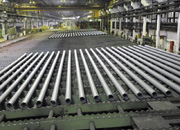
We provide a comprehensive range of high-quality internally and externally coated steel pipes designed for demanding industrial environments like oil and gas, water supply, and chemical processing. Our product lineup includes epoxy, cement mortar, and polyurethane internally coated pipes to enhance flow efficiency, alongside 3PE, FBE, and bitumen externally coated pipes for superior environmental protection. We also offer customizable dual-protection systems for maximum durability.
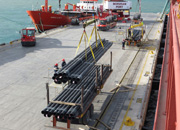
All products are manufactured to strict international standards (API, ASTM, ISO) and undergo rigorous quality control, including coating thickness and adhesion testing. Backed by extensive export experience, we deliver globally to North America, Europe, the Middle East, and Asia. Our professional logistics services feature secure, waterproof packaging and complete export documentation (including MTRs). By combining premium coated pipes with reliable global shipping, we ensure efficient, safe, and cost-effective project execution.
Maintenance and Inspection of Coated Pipes
Proper maintenance and regular inspection are essential to ensure the long-term performance and corrosion protection of coated pipes. Although internal and external coatings significantly extend service life, their effectiveness relies on routine monitoring and timely repairs.
For external coatings like 3PE and FBE, routine inspection is vital to identify damage caused by installation or ground movement. Common methods include visual checks, coating thickness measurement, and holiday testing (spark testing) to detect hidden defects before burial. Internal coatings also require attention, especially in pipelines transporting water or chemicals. Flow monitoring helps detect early signs of scaling or wear, while smart pigs and camera systems can evaluate internal conditions without disassembly.
Timely repair of damaged coatings is critical to prevent corrosion from spreading. Small external defects can be fixed with patch coatings or repair sleeves, while internal coatings may require specialized repair compounds. Additionally, monitoring environmental factors like soil composition helps determine inspection frequency. Keeping detailed documentation of inspection results and repair history allows engineers to track performance trends. In summary, consistent inspection and proactive maintenance are key to ensuring pipeline integrity, reducing unexpected failures, and maximizing the long-term effectiveness of coated pipe systems.
Conclusion: The Importance of Pipe Coating Systems
Internal and external pipe coatings are essential for ensuring the long-term performance, safety, and efficiency of modern pipeline systems. While they serve distinct purposes, they work together to provide comprehensive protection. Internal coatings focus on improving hydraulic efficiency and preventing corrosion from transported fluids, making them vital for maintaining stable flow in water, oil, and gas pipelines.
In contrast, external coatings act as the first line of defense against environmental threats such as soil corrosion, moisture, UV exposure, and mechanical damage. Advanced systems like 3PE and FBE significantly extend pipeline service life, especially in demanding underground or offshore environments. For maximum durability, many modern projects utilize a dual-protection approach, combining both internal and external coatings to safeguard against all forms of degradation.
However, optimal performance relies on more than just material selection. Proper installation, strict quality control, and regular inspection are equally critical to prevent localized failures. In summary, selecting the right coating system and maintaining it properly ensures longer service life, reduced downtime, and cost-effective operation. These engineering solutions remain indispensable for achieving safe and reliable pipeline infrastructure across various industrial applications.
FAQ:
(1)What is the main difference between internal and external pipe coating?
Internal protects fluid contact surface, external protects environmental exposure
(2)Do pipes need both internal and external coating?
Yes, in corrosive or long-distance pipeline systems
(3)Which coating is best for underground pipelines?
External 3PE or FBE coatings are most commonly used
(4)How long does pipe coating last?
Depends on environment, coating type, and maintenance practices
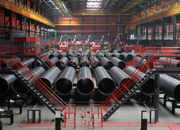 Threeway Steel is known as a professional supplier engaged in manufacturing and distributing a wide range of steel pipe, and our headquarter located the central part of China – Hunan and six associated factories throughout China.
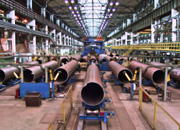 Threeway Steel is known as a professional supplier engaged in designing, manufacturing and distribution of a wide range of steel products with the headquarter located the central part of China – Hunan and six associated factories throughout China.
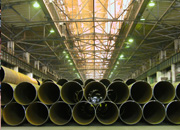 Threeway Steel is known as a professional supplier engaged in designing, manufacturing and distribution of a wide range of steel products with the headquarter located the central part of China – Hunan and six associated factories throughout China.
 Threeway Steel is known as a professional supplier engaged in designing, manufacturing and distribution of a wide range of steel products with the headquarter located the central part of China – Hunan and six associated factories throughout China.
 Threeway Steel is known as a professional supplier engaged in designing, manufacturing and distribution of a wide range of steel products with the headquarter located the central part of China – Hunan and six associated factories throughout China.