Introduction
Pipe fittings are essential components in any piping system, ensuring safe fluid distribution across residential, industrial, and infrastructure projects. Selecting the right material is critical, as fittings must withstand varying pressures, temperatures, and environmental conditions.
Stainless steel fittings are widely recognized for their superior durability and corrosion resistance, making them ideal for demanding sectors like oil and gas, chemical processing, and marine engineering. However, alternatives like carbon steel, galvanized steel, and plastic (PVC/CPVC) also offer unique benefits regarding cost and application flexibility.
What Are Stainless Steel Pipe Fittings?
Stainless steel pipe fittings are essential components used to connect, control, and redirect the flow of fluids and gases in piping systems. Renowned for their exceptional corrosion resistance and durability, they perform reliably under high pressure and varying temperatures, making them ideal for industrial, commercial, and residential applications.
Common types include elbows (for changing flow direction), tees (for splitting flow), reducers (for connecting different pipe diameters), couplings, flanges, and caps. These fittings are available in threaded, welded, and socket-weld connection types to suit diverse installation needs.
The most widely used material grades are 304 and 316. Grade 304 is suitable for general-purpose applications, while Grade 316 offers superior resistance to chlorides and harsh environments, making it perfect for marine and chemical processing industries. Overall, stainless steel fittings ensure safe, efficient, and long-lasting pipeline operations.
Comparison Between Stainless Steel and Other Pipe Fitting Materials
|
Material Type
|
Key Characteristics
|
Best Applications
|
|
Stainless Steel
|
Excellent corrosion resistance, high strength, long service life, low maintenance
|
High-pressure systems, corrosive/humid environments, marine & chemical industries
|
|
Carbon Steel
|
High mechanical strength, economical, prone to rust without protection
|
General industrial use, indoor piping, non-corrosive fluid transport
|
|
Galvanized Steel
|
Moderate corrosion resistance (zinc coating), cost-effective, coating may degrade over time
|
Outdoor water lines, fencing, basic structural applications
|
|
Plastic (PVC/CPVC)
|
Lightweight, low cost, corrosion-proof, limited pressure & temperature tolerance
|
Residential plumbing, drainage, low-pressure cold water systems
|
How to Choose the Right Pipe Fitting Material for Your Project
|
Key Selection Factor
|
Evaluation Criteria & Recommendations
|
|
1. Operating Environment
|
Dry/indoor settings suit carbon or galvanized steel. Humid, coastal, or chemical environments require the superior rust and chemical resistance of stainless steel.
|
|
2. Pressure & Temperature
|
High-pressure and high-temperature systems demand the mechanical stability of stainless steel. Plastic fittings are generally limited to low-pressure, low-temperature applications.
|
|
3. Fluid or Gas Type
|
Non-corrosive fluids (air, water) allow flexible options. Corrosive chemicals, seawater, or food-grade media require stainless steel for its chemical stability and hygiene.
|
|
4. Budget & Lifecycle Cost
|
Carbon/galvanized steel offers lower upfront costs. Stainless steel provides better long-term cost efficiency due to its extended service life and minimal maintenance needs.
|
|
5. Industry Standards
|
Regulated industries (oil & gas, water treatment, food production) often mandate stainless steel to meet strict international safety and performance compliance.
|
Advantages of Stainless Steel Pipe Fittings
|
Key Advantage
|
Core Benefits & Impact
|
|
Excellent Corrosion Resistance
|
Chromium content forms a protective layer against rust, moisture, and chemicals. Ideal for coastal, humid, and chemical processing environments.
|
|
High Strength & Pressure Resistance
|
Maintains structural integrity under high pressure and mechanical stress, ensuring safe performance in heavy-duty industrial piping networks.
|
|
Long Service Life
|
Does not rely on surface coatings that wear off. Offers a significantly longer lifespan than carbon or galvanized steel, reducing replacement frequency.
|
|
Hygiene & Cleanliness
|
Smooth, non-porous surface resists bacterial growth. Perfect for food processing, pharmaceuticals, and drinking water systems requiring high hygiene standards.
|
|
Temperature Resistance
|
Maintains strength and stability in both extreme heat and cold, making it suitable for steam lines, heating systems, and temperature-variable processes.
|
|
Low Maintenance Requirements
|
Requires minimal upkeep, coating, or repair. Drastically reduces long-term operational costs and improves overall system reliability.
|
|
Overall Cost-Effectiveness
|
Higher initial investment is offset by extended service life and minimal maintenance, delivering superior long-term value for demanding projects.
|
Our Recommended Stainless Steel Pipe Fittings and Global Shipping
We supply a comprehensive range of high-quality stainless steel pipe fittings designed for industrial, commercial, and infrastructure piping systems. Our core product lineup features Grade 304 fittings for general applications like water systems and HVAC, and Grade 316 fittings for superior corrosion resistance in harsh marine and chemical environments.
We offer a complete selection of fitting types, including elbows, tees, reducers, couplings, flanges, and caps. Available in both threaded and welded connections, our fittings ensure precise dimensional accuracy and strong pressure performance. Customized sizes and surface finishes are also available to meet specific project specifications.
Backed by professional global logistics, we ensure safe international transit with export-standard packaging to prevent damage and moisture. We support flexible shipping options, including air and sea freight, and handle all essential export documentation such as Mill Test Certificates (MTC) and certificates of origin to guarantee smooth customs clearance. Committed to quality and efficiency, we provide reliable stainless steel fitting solutions for projects worldwide.
Conclusion
Choosing the right pipe fitting material is critical for the safety and efficiency of any piping system. While carbon steel, galvanized steel, and plastic fittings have their specific uses, stainless steel pipe fittings stand out for their superior corrosion resistance, high strength, and exceptional durability. Unlike coated alternatives, stainless steel offers inherent protection against rust and performs reliably under high pressure and temperature.
Although the initial investment may be higher, stainless steel provides significant long-term value through reduced maintenance and an extended service life. This makes it the ideal solution for demanding sectors like oil and gas, chemical processing, and marine engineering. Ultimately, selecting the best material requires balancing technical requirements with environmental conditions, with stainless steel remaining a top choice for reliable, modern infrastructure.
FAQ:
(1) Why choose stainless steel pipe fittings over carbon steel fittings?
Corrosion resistance comparison
Long-term cost benefits
(2) Are stainless steel fittings suitable for drinking water systems?
Hygiene and safety standards
304 vs 316 selection guidance
(3) What is the difference between 304 and 316 stainless steel fittings?
Chemical composition differences
Marine and chemical resistance comparison
(4) Can stainless steel fittings be used with other pipe materials?
Compatibility considerations
Connection methods and adapters
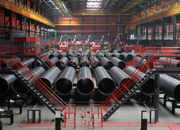 Threeway Steel is known as a professional supplier engaged in manufacturing and distributing a wide range of steel pipe, and our headquarter located the central part of China – Hunan and six associated factories throughout China.
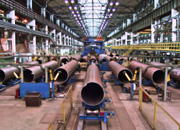 Threeway Steel is known as a professional supplier engaged in designing, manufacturing and distribution of a wide range of steel products with the headquarter located the central part of China – Hunan and six associated factories throughout China.
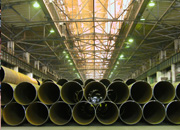 Threeway Steel is known as a professional supplier engaged in designing, manufacturing and distribution of a wide range of steel products with the headquarter located the central part of China – Hunan and six associated factories throughout China.
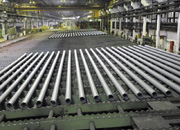 Threeway Steel is known as a professional supplier engaged in designing, manufacturing and distribution of a wide range of steel products with the headquarter located the central part of China – Hunan and six associated factories throughout China.
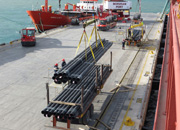 Threeway Steel is known as a professional supplier engaged in designing, manufacturing and distribution of a wide range of steel products with the headquarter located the central part of China – Hunan and six associated factories throughout China.