Q620GJD straight seam welded steel pipes, as high-strength structural steel pipes, have been widely used in recent years in fields such as oil and gas transportation, bridge construction, and marine engineering. These steel pipes belong to low-alloy high-strength steel, possessing excellent mechanical and weldability properties, and can meet the requirements of use in harsh environments. As a high-performance structural material, Q620GJD straight seam welded steel pipes play an irreplaceable role in modern engineering construction. Their superior product performance and continuously improving manufacturing processes provide reliable material guarantees for various major projects. With continuous technological advancements and the expansion of application areas, this type of high-strength straight seam welded steel pipe will undoubtedly usher in even broader development prospects.
In terms of application areas, Q620GJD straight seam welded steel pipes are mainly used in:
1. Long-distance high-pressure oil and gas transmission pipelines, especially in mountainous areas with complex terrain.
2. Main beam structures and supporting components of large bridges.
3. Main steel structures of high-rise buildings.
4. Key load-bearing components such as booms of engineering machinery.
Q620GJD straight seam welded steel pipes have advantages in the following scenarios:
1. Pipeline projects in polar or high-altitude cold regions.
2. Marine engineering structures such as offshore platform jackets.
3. Outer shell structures of LNG storage tanks.
4. Engineering structures that need to withstand dynamic loads.
When purchasing Q620GJD straight seam welded steel pipes, users need to pay close attention to the following technical parameters:
1. Actual yield strength and tensile strength of the steel pipe.
2. Impact energy value at -20℃ or lower.
3. Fracture toughness index of the weld seam.
4. Geometric dimensional tolerances of the welded steel pipe body.
5. Surface Quality and Anti-corrosion Coating Performance
Future development trends indicate that Q620GJD straight seam welded steel pipes will evolve towards higher strength, better toughness, and superior weldability. Steel companies are developing a new generation of TMCP technology, which, through optimized alloy design and process control, is expected to increase strength grades to 690MPa or even higher while maintaining current toughness levels. Furthermore, the application of intelligent manufacturing equipment will further improve the product quality and production efficiency of straight seam welded steel pipes.
During use, the following key points regarding the welding process of Q620GJD straight seam welded steel pipes should be noted:
1. Low-hydrogen welding electrodes or wires are recommended.
2. Strictly control preheating temperature and interpass temperature.
3. Hydrogen removal treatment should be considered for welding thick-walled steel pipes.
4. Post-weld heat treatment is recommended.
5. Avoid welding operations in humid environments.
With the implementation of numerous major projects both domestically and internationally, the technical standards for Q620GJD straight seam welded steel pipes are continuously being improved. Currently, the main standards followed are national standards such as GB/T 1591 and GB/T 3091, while also meeting the requirements of international standards such as API 5L and EN 10219. Different standards have certain differences in chemical composition, mechanical properties, and other indicators; users need to specify the specific technical requirements when making purchases.
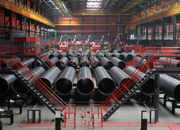 Threeway Steel is known as a professional supplier engaged in manufacturing and distributing a wide range of steel pipe, and our headquarter located the central part of China – Hunan and six associated factories throughout China.
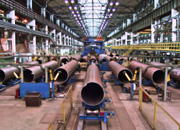 Threeway Steel is known as a professional supplier engaged in designing, manufacturing and distribution of a wide range of steel products with the headquarter located the central part of China – Hunan and six associated factories throughout China.
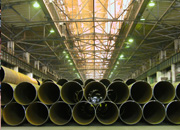 Threeway Steel is known as a professional supplier engaged in designing, manufacturing and distribution of a wide range of steel products with the headquarter located the central part of China – Hunan and six associated factories throughout China.
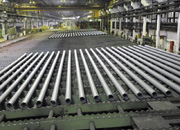 Threeway Steel is known as a professional supplier engaged in designing, manufacturing and distribution of a wide range of steel products with the headquarter located the central part of China – Hunan and six associated factories throughout China.
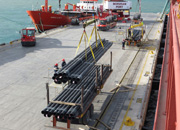 Threeway Steel is known as a professional supplier engaged in designing, manufacturing and distribution of a wide range of steel products with the headquarter located the central part of China – Hunan and six associated factories throughout China.