Anti-corrosion steel pipes are metal bodies buried underground. However, due to the environment in which they are used, even with careful construction, ordinary steel pipes are prone to aging and damage. To extend the lifespan of steel pipes, an anti-corrosion layer must be applied to their outer surface. In actual pipeline use, various types of anti-corrosion steel pipes are available. Although different types of steel pipes have different advantages, anti-corrosion types will be the main focus in future development. This is because anti-corrosion steel pipes have the following four major advantages in construction and practical applications:
Four Major Advantages of Anti-corrosion Steel Pipes in Practical Applications
First, simple and quick construction. Construction can be carried out in factories and on-site. The construction of anti-corrosion steel pipes is much simpler than that of old steel pipes, requiring no large equipment or site, making on-site operation very suitable. Anti-corrosion can be carried out simultaneously with on-site construction.
Second, longer service life. Ordinary steel pipes have a limited lifespan. However, after applying anti-corrosion treatment, their lifespan can reach 20-30 years or even longer, making them the "longevity stars" of the pipeline industry. This saves on replacement, maintenance, and other costs.
Third, they are more economical in terms of project cost. Considering the combination of quality and lifespan, the service life and investment achieve a reasonable ratio, making them more economical and practical than older pipelines. This is a crucial factor in purchasing decisions.
Fourth, anti-corrosion steel pipes are designed with environmental protection in mind. In today's emphasis on green environmental protection, this design aligns with the needs of modern progress. Environmental requirements for pipelines transporting fluids will become increasingly stringent, and products that cannot keep pace with environmental development will eventually be phased out.
In recent years, due to market development and engineering needs, various types of steel pipes have been introduced. High-quality anti-corrosion steel pipes typically feature long-lasting anti-corrosion systems, with design lifespans exceeding thirty years. Older steel pipes will be phased out, and anti-corrosion steel pipes will occupy an increasingly larger share of the market, becoming the mainstay of future pipeline construction.
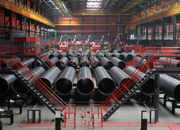 Threeway Steel is known as a professional supplier engaged in manufacturing and distributing a wide range of steel pipe, and our headquarter located the central part of China – Hunan and six associated factories throughout China.
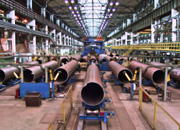 Threeway Steel is known as a professional supplier engaged in designing, manufacturing and distribution of a wide range of steel products with the headquarter located the central part of China – Hunan and six associated factories throughout China.
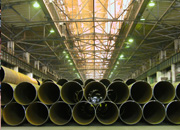 Threeway Steel is known as a professional supplier engaged in designing, manufacturing and distribution of a wide range of steel products with the headquarter located the central part of China – Hunan and six associated factories throughout China.
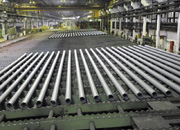 Threeway Steel is known as a professional supplier engaged in designing, manufacturing and distribution of a wide range of steel products with the headquarter located the central part of China – Hunan and six associated factories throughout China.
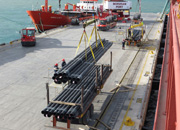 Threeway Steel is known as a professional supplier engaged in designing, manufacturing and distribution of a wide range of steel products with the headquarter located the central part of China – Hunan and six associated factories throughout China.