Boiler tubes are critical components in power plants and industrial heating systems, responsible for efficient heat transfer and steam generation. Operating under extreme high temperatures and pressures, they are highly susceptible to scale deposits, corrosion, and soot buildup. These issues significantly reduce heat exchange performance, increase energy consumption, and can lead to equipment failure.
Regular maintenance and cleaning are essential to prevent these problems and extend service life. Effective maintenance programs include routine inspections (such as ultrasonic and thickness testing), strict water quality management, and timely repairs. Depending on the type of deposit, operators should select appropriate cleaning methods, including mechanical cleaning, chemical cleaning, or high-pressure water jetting, to restore optimal efficiency.
In addition to proper maintenance, selecting the right boiler tube material is crucial for long-term reliability. Options such as carbon steel, alloy steel, and stainless steel offer varying levels of strength, heat resistance, and corrosion protection to suit specific operating conditions.
Common Maintenance Methods for Boiler Tubes
Regular maintenance is essential for ensuring the safe operation, high efficiency, and long service life of boiler tubes. Below is a concise overview of the most common maintenance methods:
|
Maintenance Method
|
Key Details
|
|
Regular Inspection
|
Conduct routine visual checks and Non-Destructive Testing (NDT), such as ultrasonic testing and thickness measurement, to detect cracks, leaks, and wall thinning early.
|
|
Water Quality Management
|
Control feedwater hardness, dissolved oxygen, and chemical balance through filtration, softening, and deaeration to prevent scale formation and protect tube surfaces.
|
|
Corrosion Prevention
|
Minimize corrosion risks by selecting appropriate materials (e.g., alloy or stainless steel), applying protective coatings, and maintaining stable operating conditions.
|
|
Cleaning & Deposit Removal
|
Remove scale, soot, and ash using mechanical, chemical, or high-pressure water cleaning to restore heat transfer efficiency without damaging the tubes.
|
|
Timely Repair & Replacement
|
Promptly repair or replace tubes showing signs of leakage, deformation, or excessive wear to prevent unexpected shutdowns and ensure system reliability.
|
By combining these effective maintenance strategies, operators can significantly enhance boiler performance and ensure safer, more stable industrial operations.
Common Cleaning Methods for Boiler Tubes
Regular cleaning is essential to remove scale, soot, and ash deposits that reduce heat transfer efficiency and increase energy consumption. Selecting the appropriate cleaning method is critical for maintaining boiler performance and extending tube service life. Below is a concise overview of common cleaning methods:
|
Cleaning Method
|
Key Details
|
|
Mechanical Cleaning
|
Uses brushes, scrapers, and drills to remove hard scale and rust. Ideal when chemical use is restricted, but requires careful technique to avoid surface damage.
|
|
Chemical Cleaning
|
Utilizes acid or alkaline agents to dissolve mineral scale, grease, and corrosion products. Proper rinsing and neutralization are required to prevent secondary corrosion.
|
|
High-Pressure Water Cleaning
|
Employs powerful water jets to efficiently remove loose scale and dirt. It is an environmentally friendly option that reduces manual labor in large systems.
|
|
Steam or Air Cleaning
|
Uses high-pressure steam or compressed air to clear light deposits, soot, and surface contaminants, primarily on external tube surfaces.
|
|
Method Selection
|
The optimal method depends on deposit type, tube material, and boiler design. A combination of methods is often used to ensure thorough cleaning and prevent premature failure.
|
How to Improve Boiler Tube Service Life
Extending the service life of boiler steel pipes is essential for improving efficiency, reducing maintenance costs, and ensuring safe operation. A comprehensive maintenance strategy involves proper material selection, stable operation, and preventive care. Below is a concise overview of key factors to maximize boiler tube lifespan:
|
Key Strategy
|
Actionable Details
|
|
Select the Right Material
|
Choose materials based on operating conditions: Carbon steel for moderate use, alloy steel for high-temperature/high-pressure environments, and stainless steel for superior corrosion resistance.
|
|
Maintain Stable Operations
|
Ensure proper combustion efficiency, control steam pressure, and prevent overheating to avoid thermal stress and premature tube damage.
|
|
Control Water Quality
|
Implement effective water treatment (filtration, softening, deaeration) to control chemical balance, prevent scale buildup, and minimize corrosion risks.
|
|
Regular Inspection & Maintenance
|
Conduct routine NDT (ultrasonic, thickness, and pressure testing) to detect wall thinning or cracks early, allowing for timely repairs before unexpected shutdowns.
|
|
Use Proper Cleaning Methods
|
Apply mechanical, chemical, or high-pressure water cleaning to remove deposits safely, maintaining efficient heat transfer without damaging the tube surfaces.
|
Recommended Boiler Tube Products & Worldwide Shipping
Selecting reliable boiler tubes is essential for ensuring the safe and efficient operation of industrial systems. We provide a comprehensive range of high-quality boiler tubes, including seamless, carbon steel, alloy steel, stainless steel, and high-pressure options. Designed to withstand extreme temperatures and pressures, our tubes are ideal for power plants, petrochemical facilities, and general heating systems.
Quality is our top priority. We implement strict quality control procedures, including chemical, mechanical, ultrasonic, and hydrostatic testing, ensuring all products comply with international standards such as ASTM and ASME.
To guarantee safe delivery, we utilize export-standard packaging, including steel bundling and waterproof wrapping. We offer efficient worldwide shipping to North America, Europe, the Middle East, Asia, and beyond, with flexible options for sea, air, and express freight. Our professional export team handles all logistics and documentation, supporting versatile trade terms (EXW, FOB, CIF, DDP) to meet your specific needs.
Whether you require standard carbon steel tubes or high-performance alloy options, we are committed to delivering dependable piping solutions globally. Contact us today to request a quotation or discuss your boiler tube requirements.
Conclusion
Boiler tubes are critical for industrial efficiency and safety. Extending their service life requires regular inspection, effective cleaning, and strict water quality control to prevent scale, corrosion, and premature failure. Selecting the appropriate material—such as carbon, alloy, or stainless steel—is equally important for withstanding high temperatures and pressures.
As a trusted supplier, we provide a comprehensive range of high-quality boiler tubes compliant with international standards (ASTM, ASME). Backed by rigorous quality control, secure packaging, and efficient worldwide shipping, we deliver dependable piping solutions for power plants and industrial facilities globally.
Whether you need standard carbon steel tubes or customized high-pressure solutions, our team is ready to support your project. Contact us today to request a quotation or discuss your boiler tube requirements.
FAQ:
(1) How often should boiler tubes be cleaned?
Explain that cleaning frequency depends on boiler type, operating conditions, fuel quality, and deposit formation rate.
(2) What are the most common causes of boiler tube failure?
Discuss corrosion, scaling, overheating, poor water quality, fatigue, and improper operation.
(3) Which cleaning method is best for boiler tubes?
Compare mechanical cleaning, chemical cleaning, and high-pressure water cleaning based on deposit type and boiler conditions.
(4) How can boiler tube service life be extended?
Explain the importance of regular inspection, water treatment, proper operation, and preventive maintenance.
 Threeway Steel is known as a professional supplier engaged in manufacturing and distributing a wide range of steel pipe, and our headquarter located the central part of China – Hunan and six associated factories throughout China.
 Threeway Steel is known as a professional supplier engaged in designing, manufacturing and distribution of a wide range of steel products with the headquarter located the central part of China – Hunan and six associated factories throughout China.
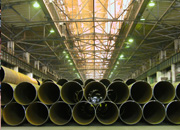 Threeway Steel is known as a professional supplier engaged in designing, manufacturing and distribution of a wide range of steel products with the headquarter located the central part of China – Hunan and six associated factories throughout China.
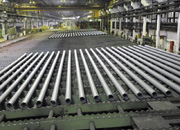 Threeway Steel is known as a professional supplier engaged in designing, manufacturing and distribution of a wide range of steel products with the headquarter located the central part of China – Hunan and six associated factories throughout China.
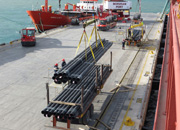 Threeway Steel is known as a professional supplier engaged in designing, manufacturing and distribution of a wide range of steel products with the headquarter located the central part of China – Hunan and six associated factories throughout China.